Land Marks
June 5 - 7, 2026
field & onto gallery, Vancouver, Canada
For this exhibition, Land Marks unfold in many ways: a mark upon land, a mark made by land, and a marker that orients bodies in space and time. The artworks gathered here, explore this layered definition to trace the deep and receptacle relationship between humans and the ground beneath us. Through material inquiry and embodied gesture, the artists consider how markings — natural or manufactured— shape our sense of place. Through sculptures and installations, the artists use fibres, felt, clay, natural dyes to examine how land is marked, measured, remembered, and transformed.
The artworks reveal how forces write themselves onto the landscape and how the land is reshaped by natural and human activity. Sarah Delaney’s Land Parcels reflect the tensions of care, constraint, and territorial ownership that humans imprint onto the land.
Minahil Bukhari’s artwork transforms earth‑based materials and Urdu and Arabic script into sculptural gestures that resist legibility, marking a threshold between memory and history.
Through crocheted jute stitches that correspond to the artist’s daily walk, Richelle Greabeiel’s passos becomes a tactile record of embodied movement informed by the land.
For some, landmarks operate as links to the natural world and are carriers of meaning. Blending the tactile and the symbolic, Mathilde Rohr’s Felt projects portal-like landmarks that span between inner and outer worlds and human and more-than-human realms and Sophena Kwon’s Portal series is a quiet threshold where natural dyes and cloth converge to invite pause and presence.
A landmark acts like an anchor, locating us, guiding us, and holding collective memory and history. Angie Heintz’s Land. Mark. Tonnes. and Land. Mark. Seas. evoke the enduring pull of landmarks through a tower-like beacon of memory and movement. In Sarah Delaney’s Stacked, she uses hand-built clay beads to form a wayfinding device that not only marks direction but traces passage through time.
Presented by Spur Projects
Curated by Sarah Delaney
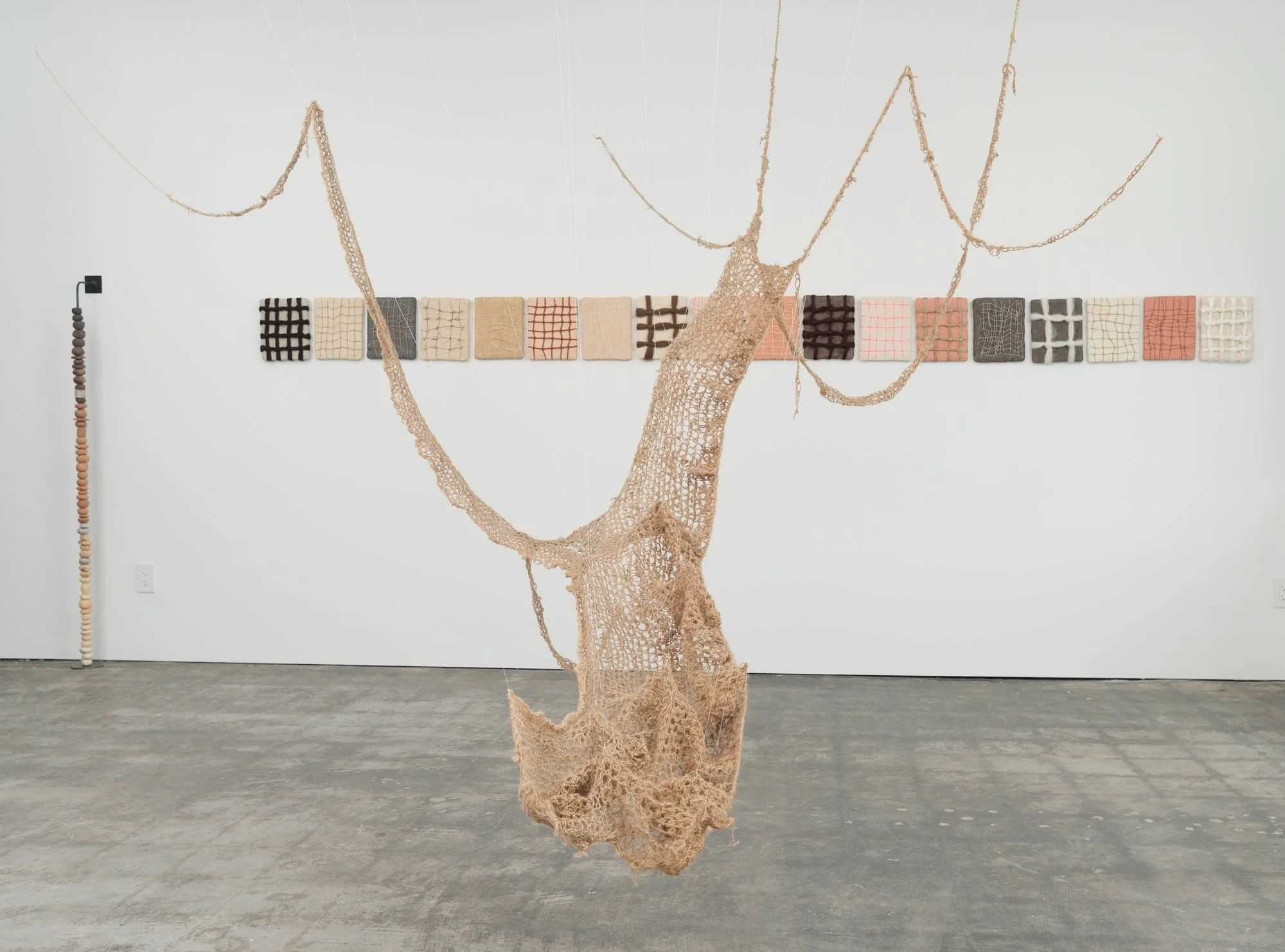
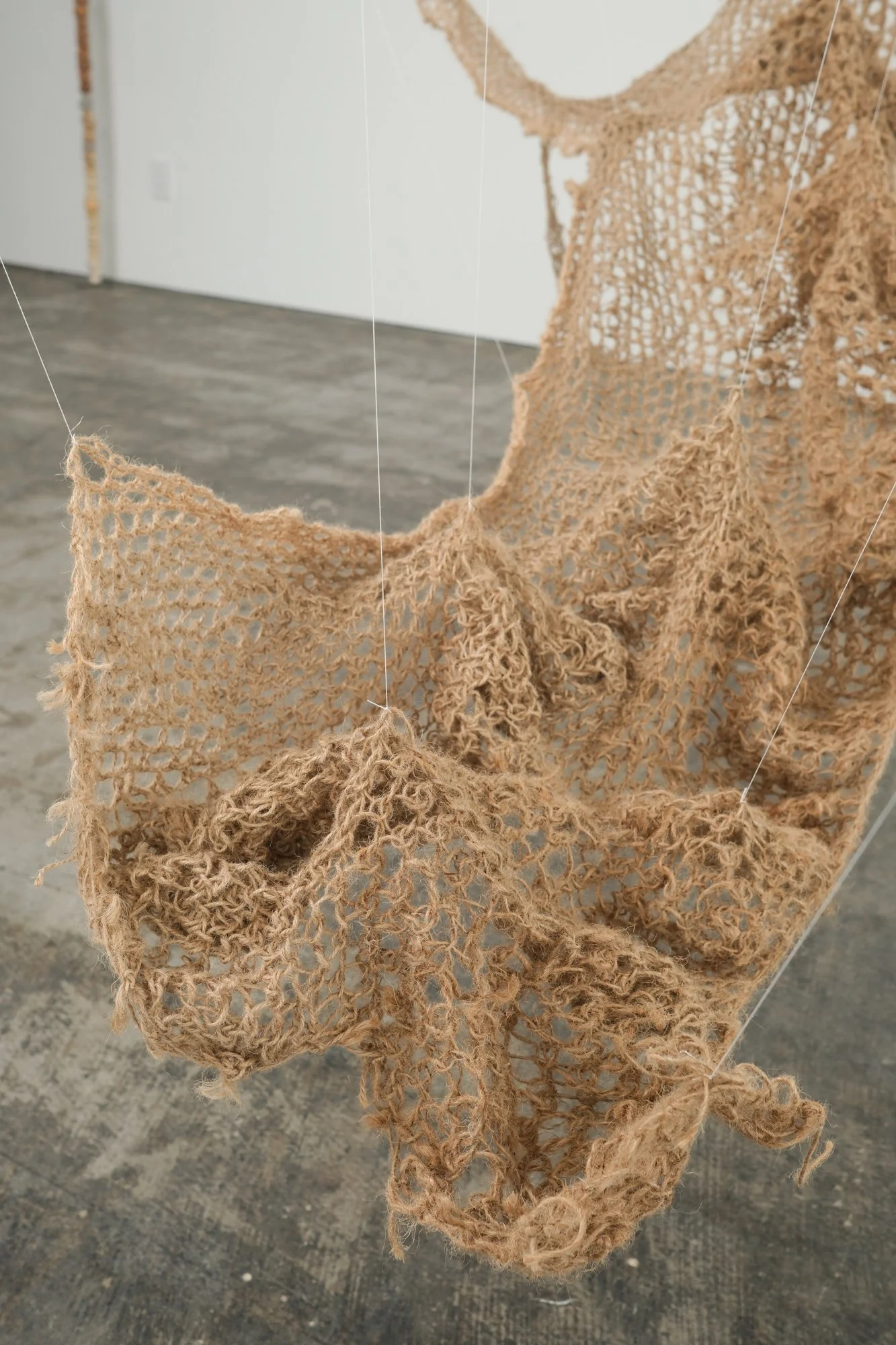
The work, passos, serves as a material record of movement, translating the artist’s embodied experience into a spatial and tactile form. Constructed by hand through a repetitive crochet process, the work translates the action and movement into a material form. Each stitch corresponds to the number of steps the artist walked over the course of a day. The installation becomes a terrain of accumulated gestures, mapping the relations between time, distance, body, and land. The artist’s use of jute is tied to the historical and geographical context in which the work began – a residency in a former jute factory in Portugal. The tactile material carries associations of labour, industry, colonial trade, and movement. The piece considers how landscapes are shaped not only by physical geography, but also through histories, cultural memory, migration, and the traces human bodies leave upon the land.
Richelle Greabeiel
passos, 2025
Jute Twine
Dimensions Variable with Configuration
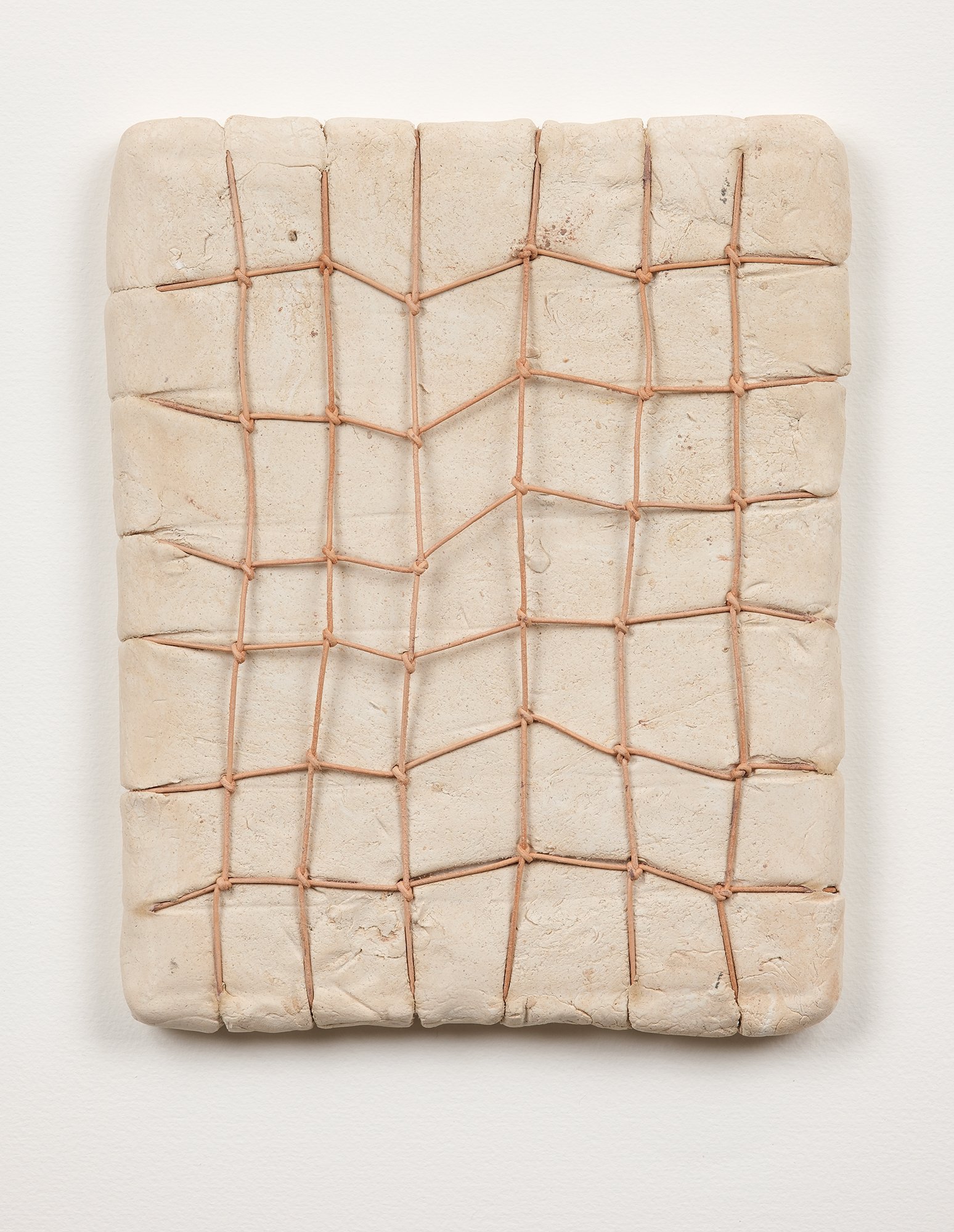
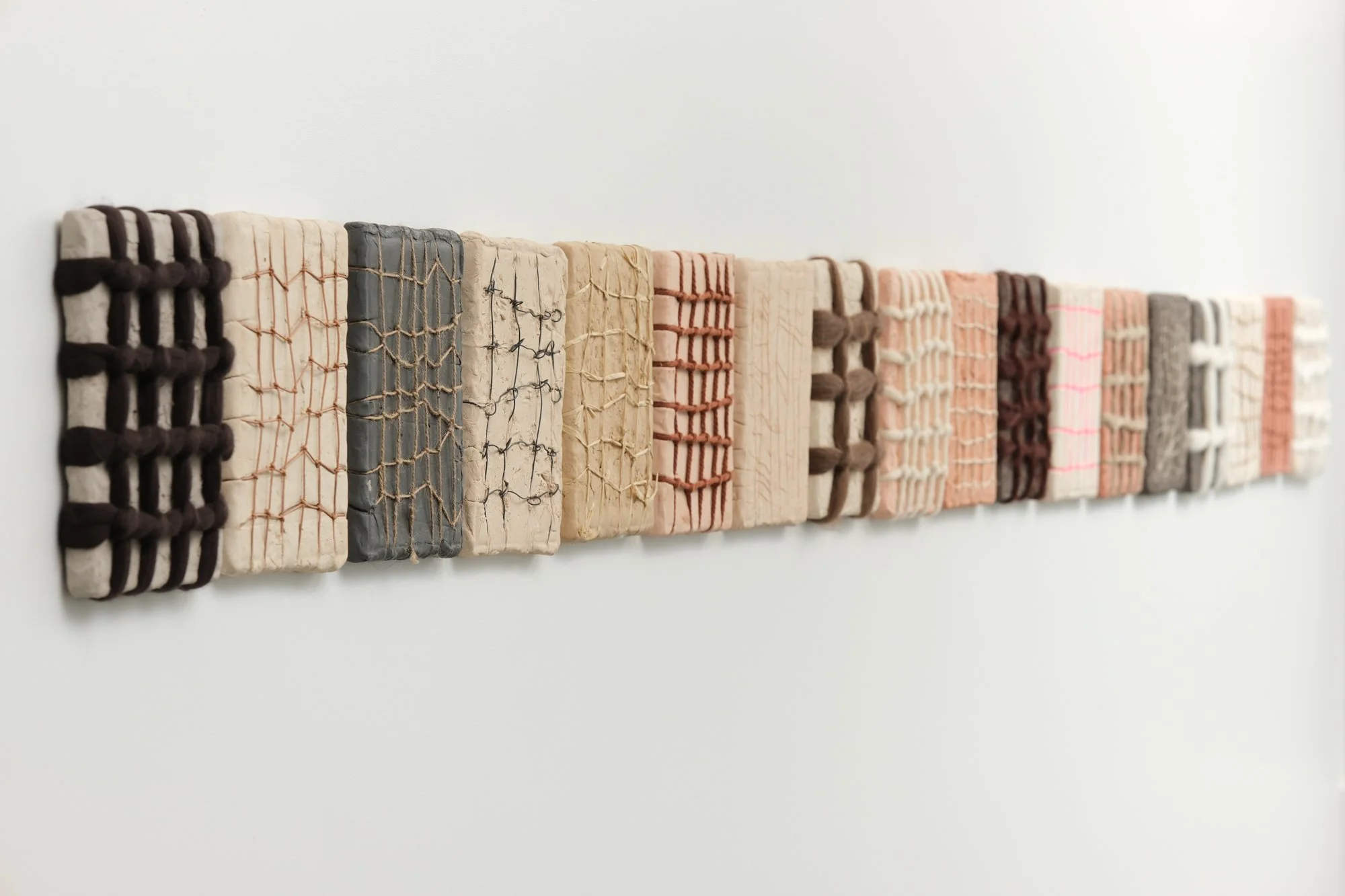
For this series, the artist employs string, fibres, and wire as agents of tension and constraint, knotting them around various clay combinations to create indentations and markings produced through friction and containment. Each clay painting is wrapped and bound like a parcel: suggesting protection and care, yet simultaneously signals restriction and the assertion of control. By dissecting the clay, the artist imitates the ways land is inscribed with meaning. Land Parcels reflects on the human impulse to transform the land through acts of surveying, marking, dividing, and claiming. These gestures create boundaries resulting in territory control, which stand for larger systems of ownership, memory, and rupture that shape landscapes.
Sarah Delaney
Land Parcels, #1-18, 2026
Air-dry Clay, Cotton String, Jute Twine, Embroidery Thread, Flax Fibre, Bamboo/ Viscose Fibre, Alpaca Wool, Icelandic Wool, Leather, Wire on Canvas and Wooden Stretcher Frame
10” x 8” each
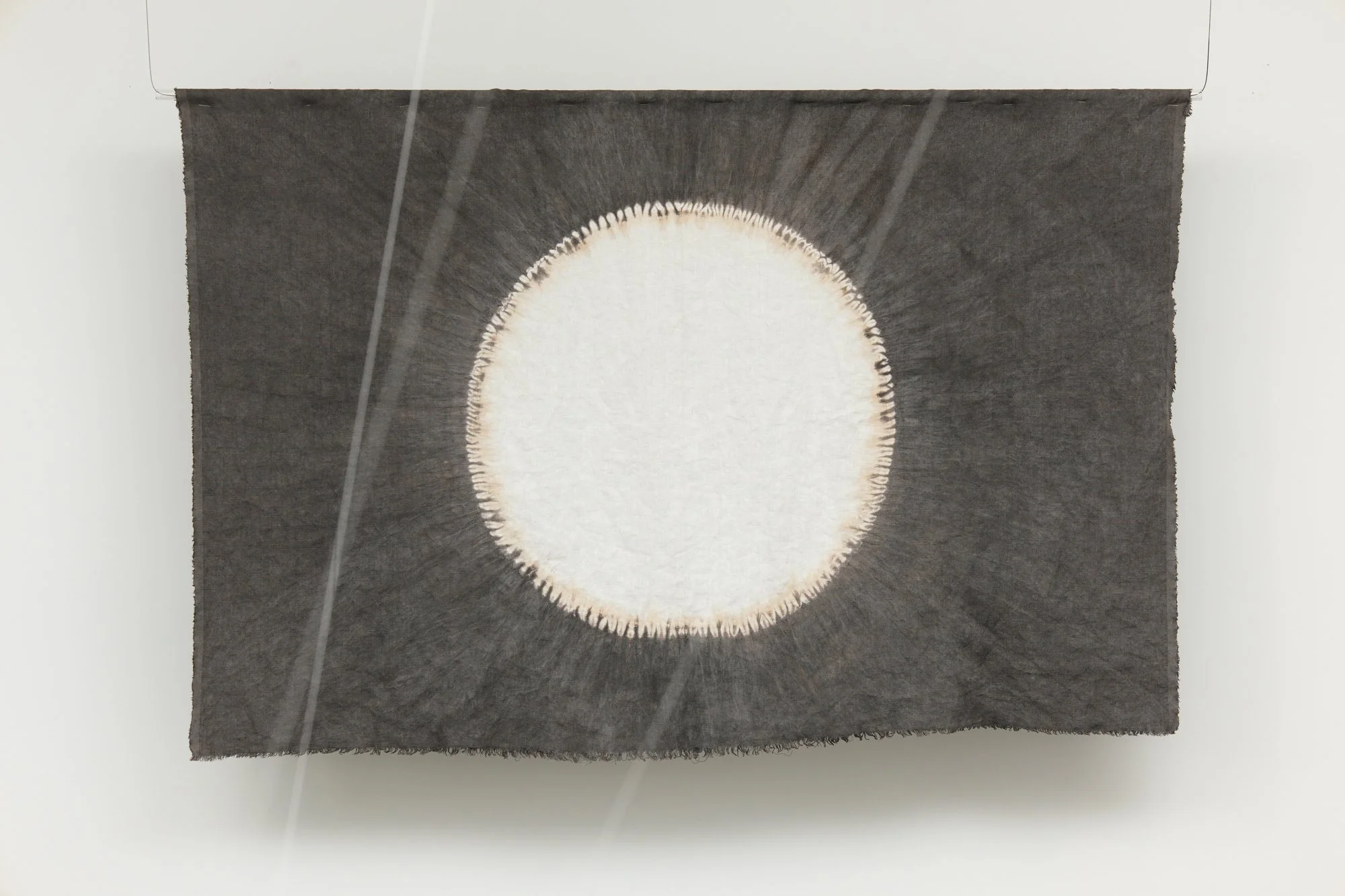
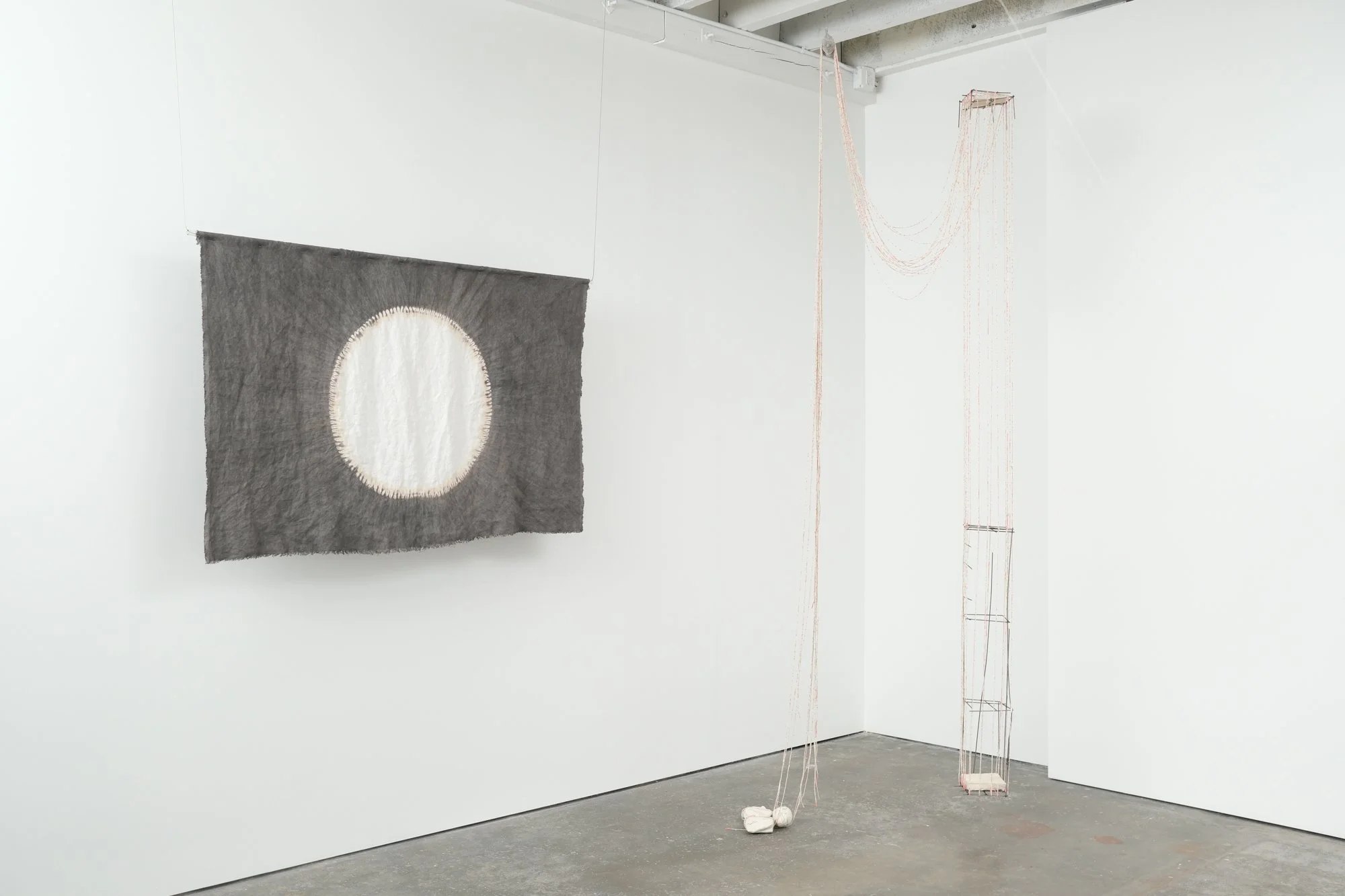
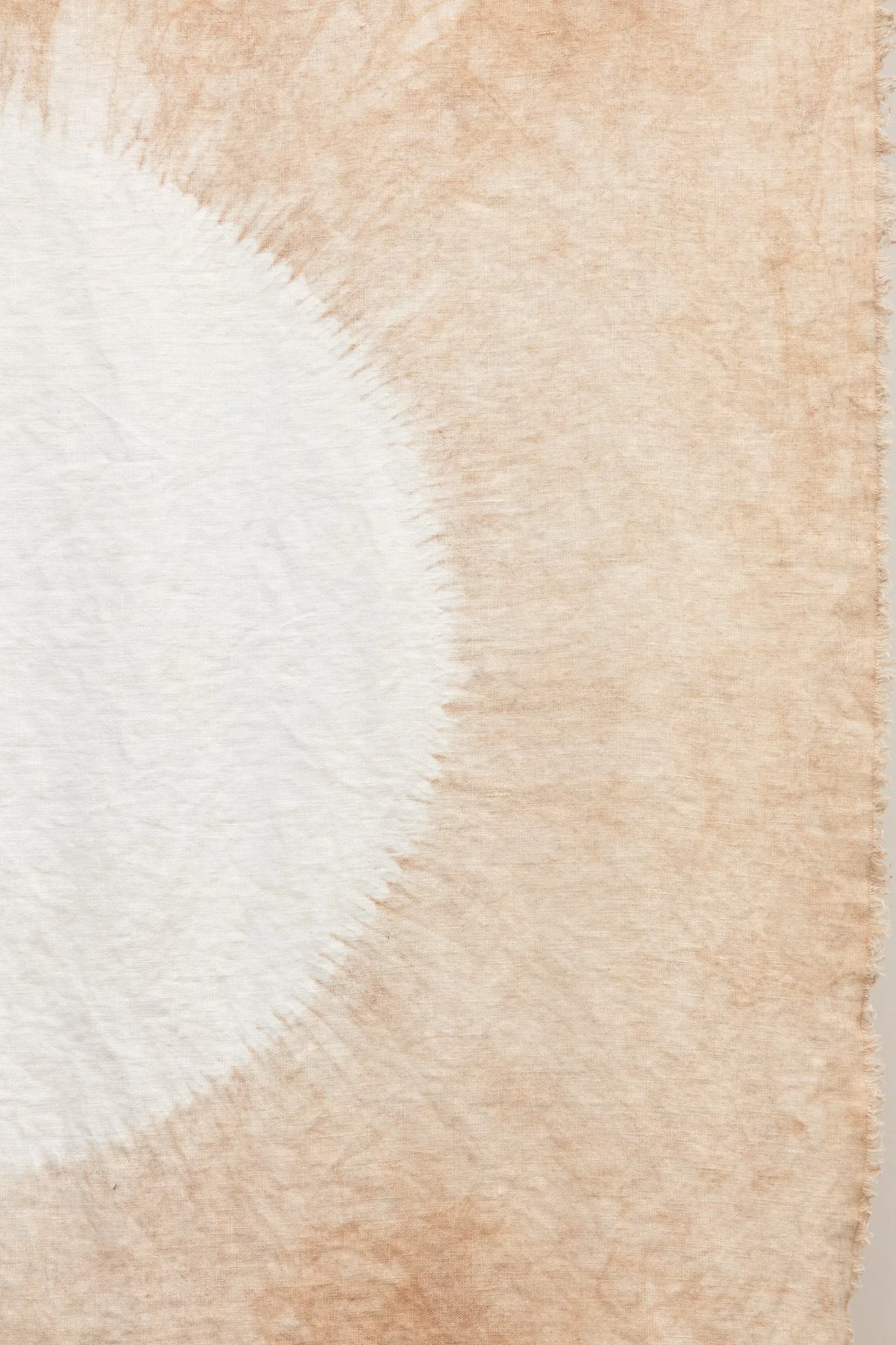
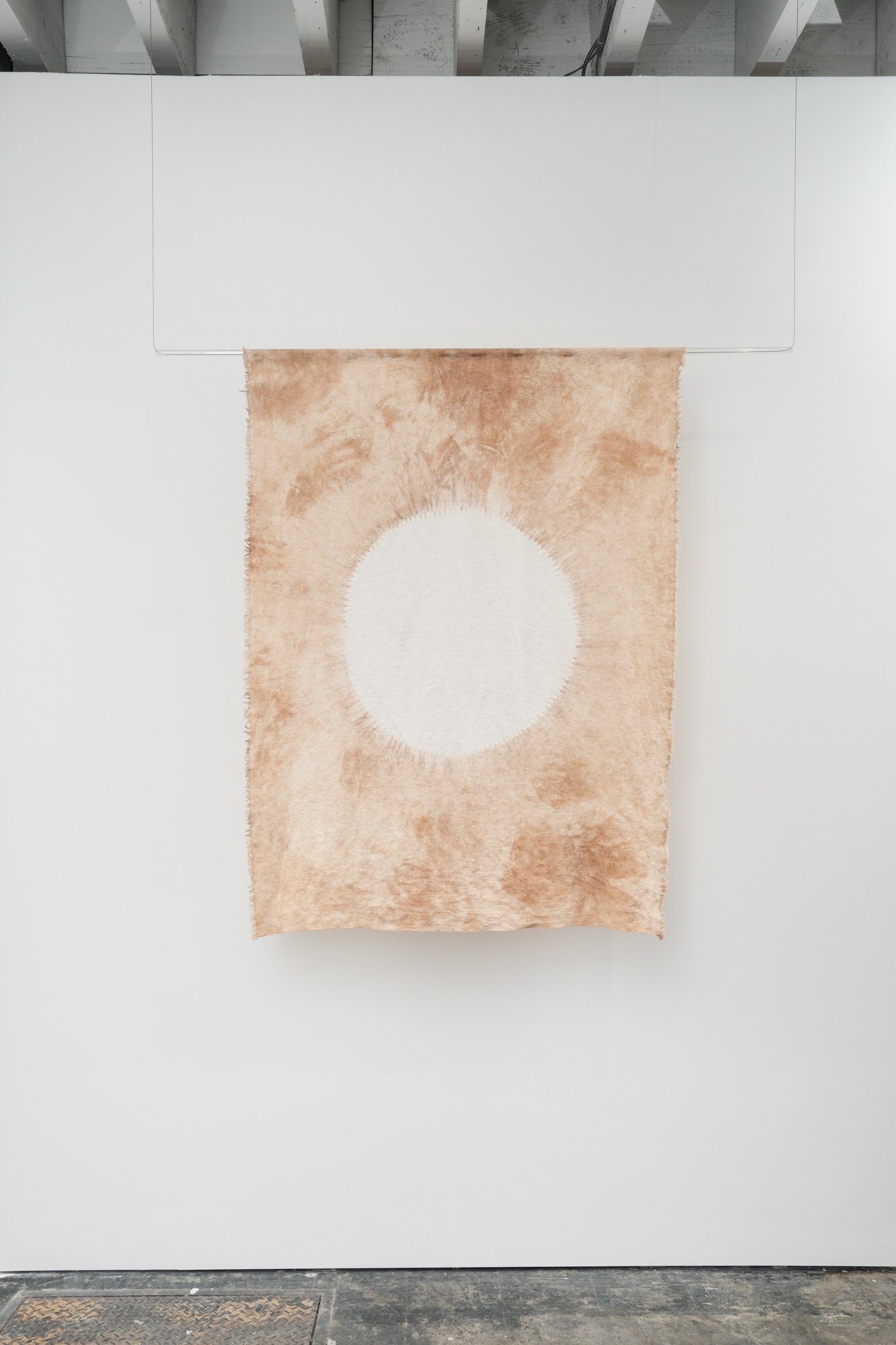
Sophena Kwon
Portal - Earth, 2026
Kakishibu on Linen, using Stitched Resist
42” x 60”
Dyed with plants, tannins, roots, bark, fruits, flowers and mineral, Portals are an exploration into the materiality of textile and naturally derived colour. The work centres on the alchemical process of colour meeting fibre. Natural dyes serve as a connection to the natural world, and a bind to memories and cultural histories. The Portal holds space for the continual creative act of making. It becomes an opening where time slows, offering an invitation to pause, to witness, and to remain present.
Sophena Kwon
Portal - Smoke, 2026
Kakishibu & Rust on Linen, using Stitched Resist
42” x 60”
Angie Heintz
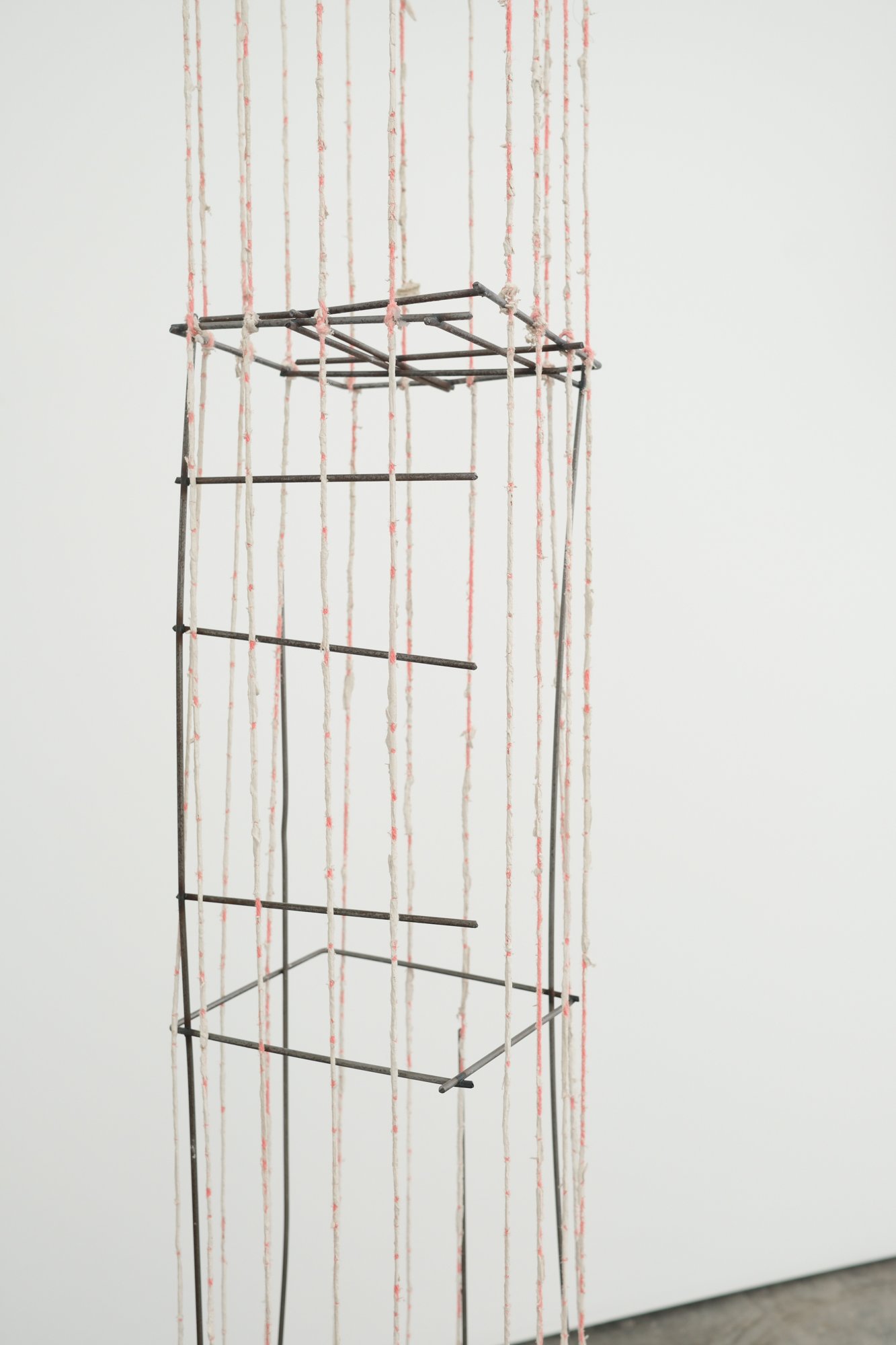
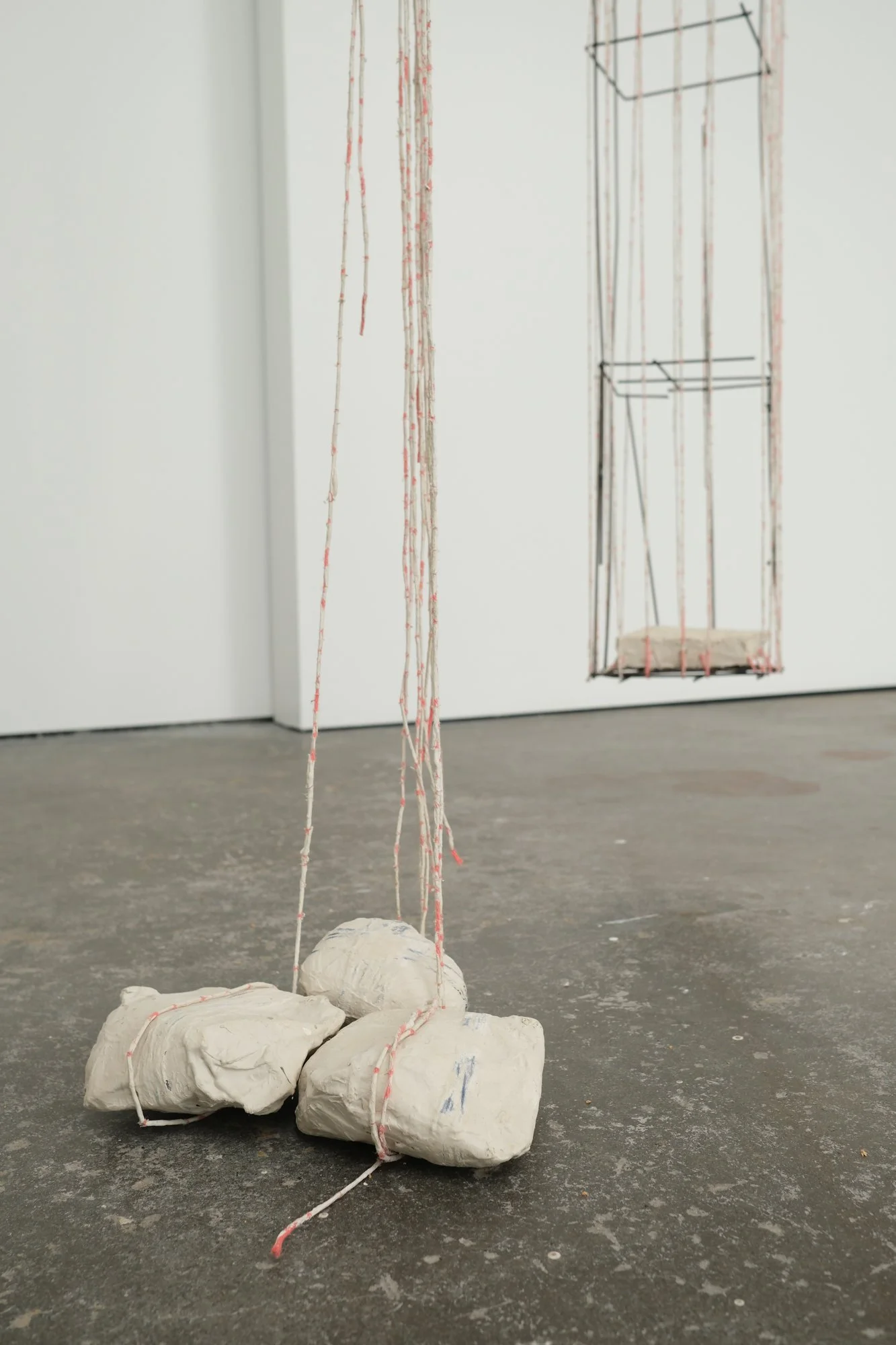
Land. Mark. Tonnes., 2026
Steel, Paper Clay, Yarn
102" x 6" x 6"
Sculptural installations, Land. Mark. Seas. and Land. Mark. Tonnes., reflect the endurance and symbolic weight of landmarks – rooted in ground, naturally or manmade, and serving as fixed points of orientation, memory, and belonging. Landmarks do not move; instead, they anchor movement around them. They offer direction, hold space for reflection, and embed themselves in the memories of those who come to meet them.
Constructed from paper clay, wire, and woven yarns, the tower‑like forms evoke the strength of metal frameworks while retaining the tactility of hand‑worked materials. The textured clay and naturally dyed fibres suggest the layered interactions that shape a landmark over time: converging paths, accumulated encounters, and the weathering of the elements.
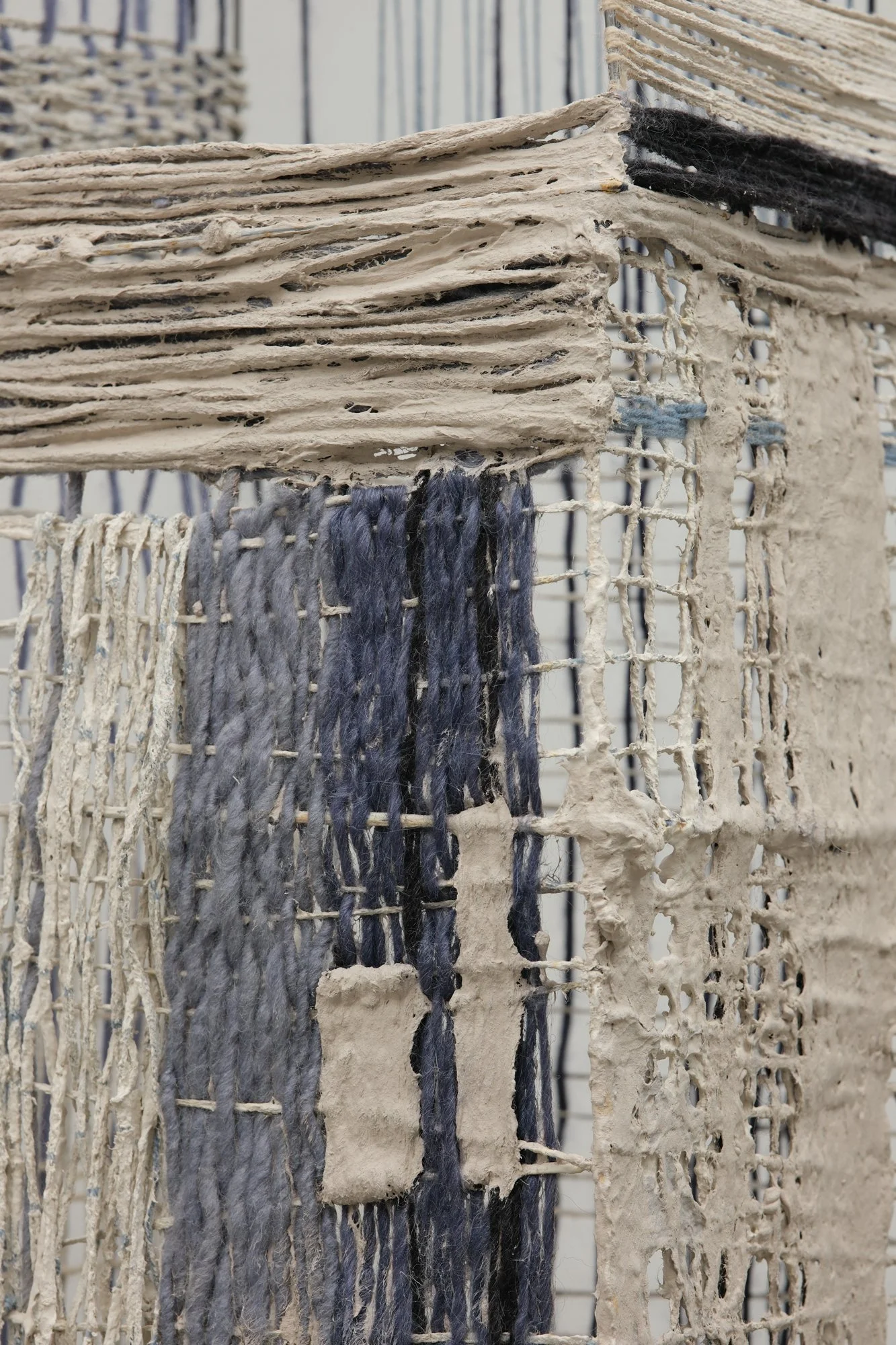
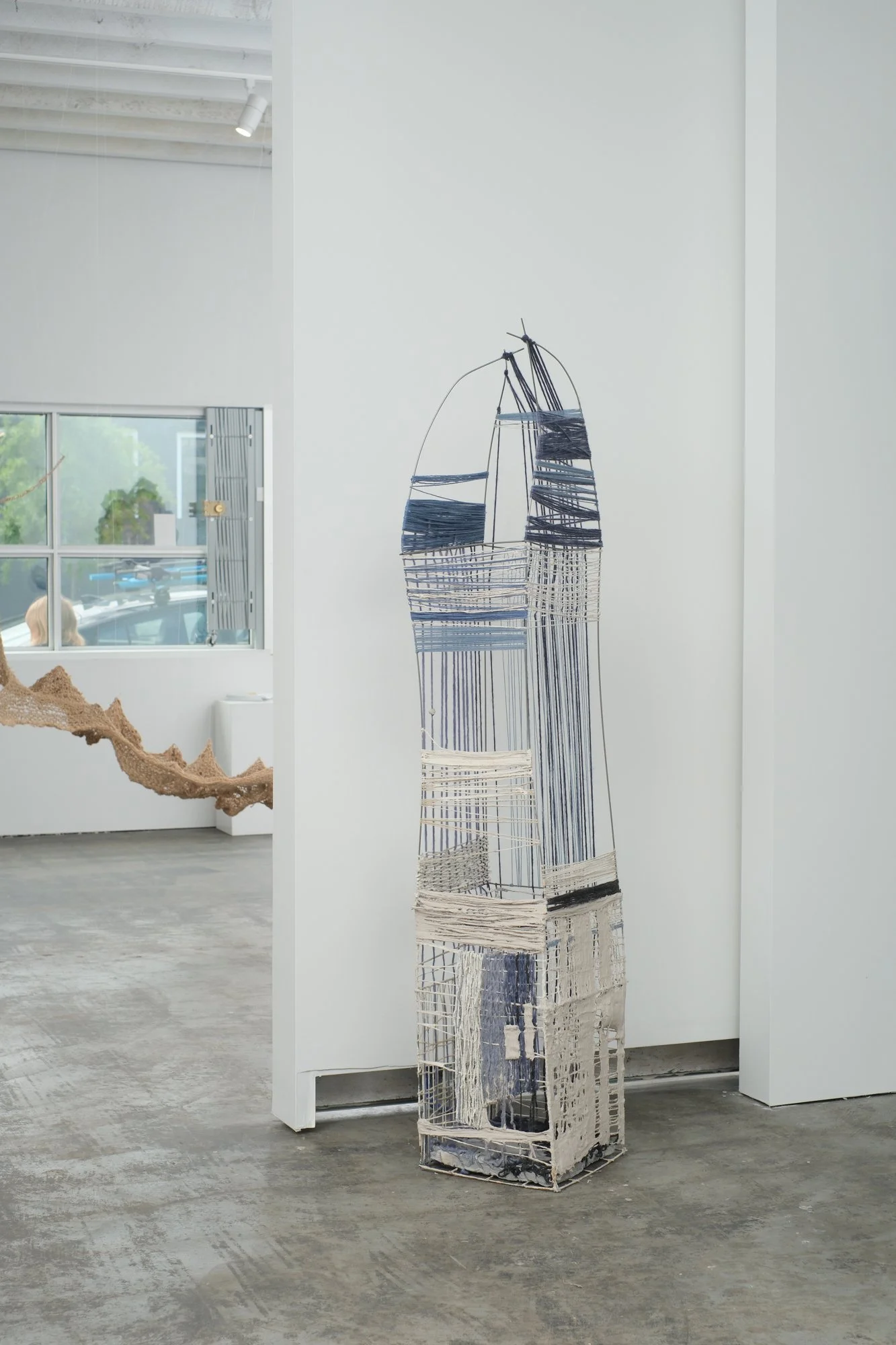
Angie Heintz
Land. Mark. Seas., 2026
Steel, Paper Clay, Yarn
66" x 12" x 12"
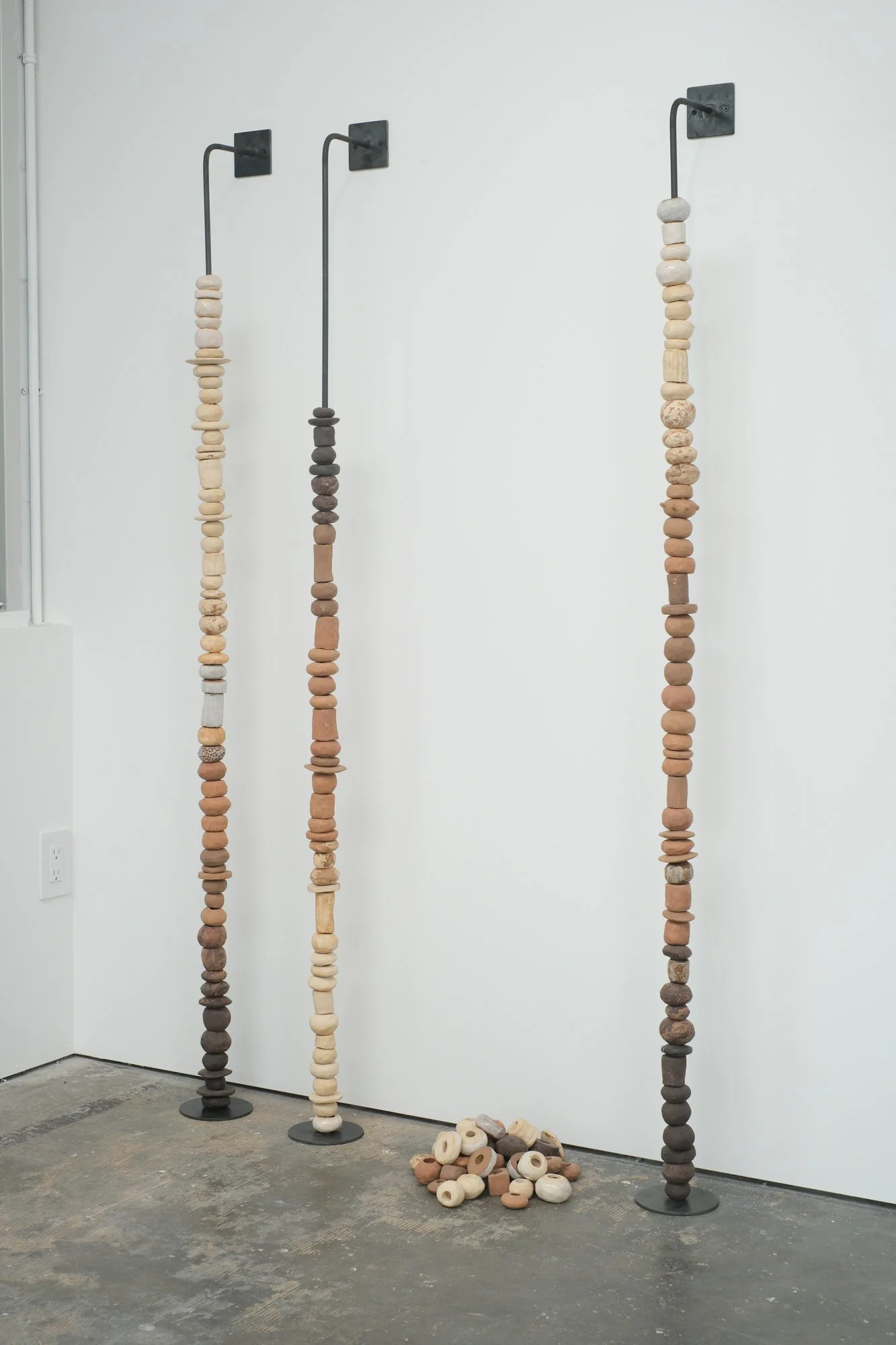
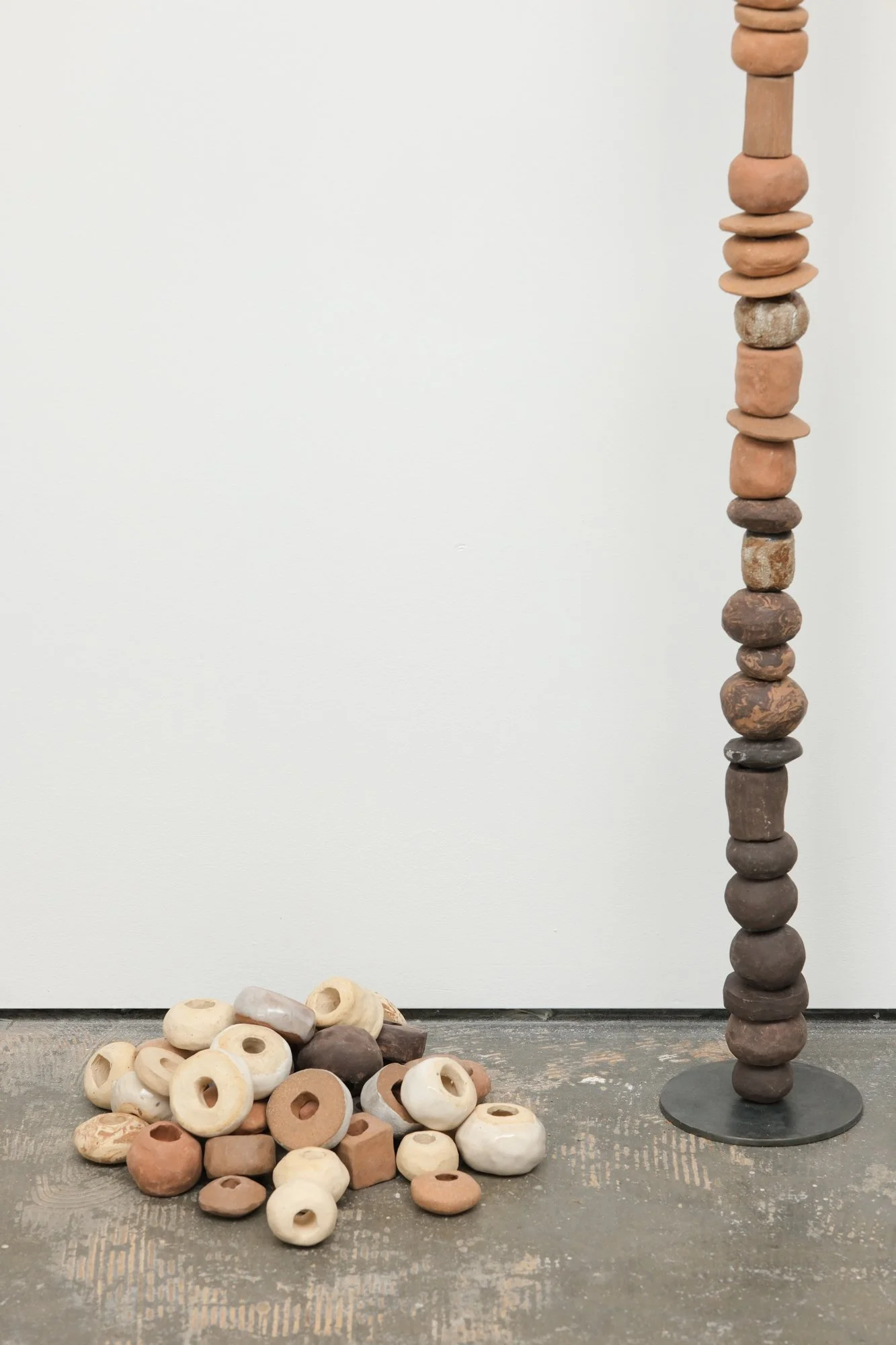
Mirroring the gradient layers found in earth sediments, the hand-built clay beads in Stacked sculptures work in collaboration with the land. The work draws on the artist’s connection to stacked rock formations found across the Boreal Shield, cains that mark trailheads and signal directions. As landmarks they map a path through space and time, acknowledging a journey of movement that led us here. Like an abacus, the addition of each bead signifies a unit of memory, a deposit, a fragment of self left behind, a marker of presence.
Sarah Delaney
Stacked, 2026
Fired Clay, Metal
65” x 4” x 4” each
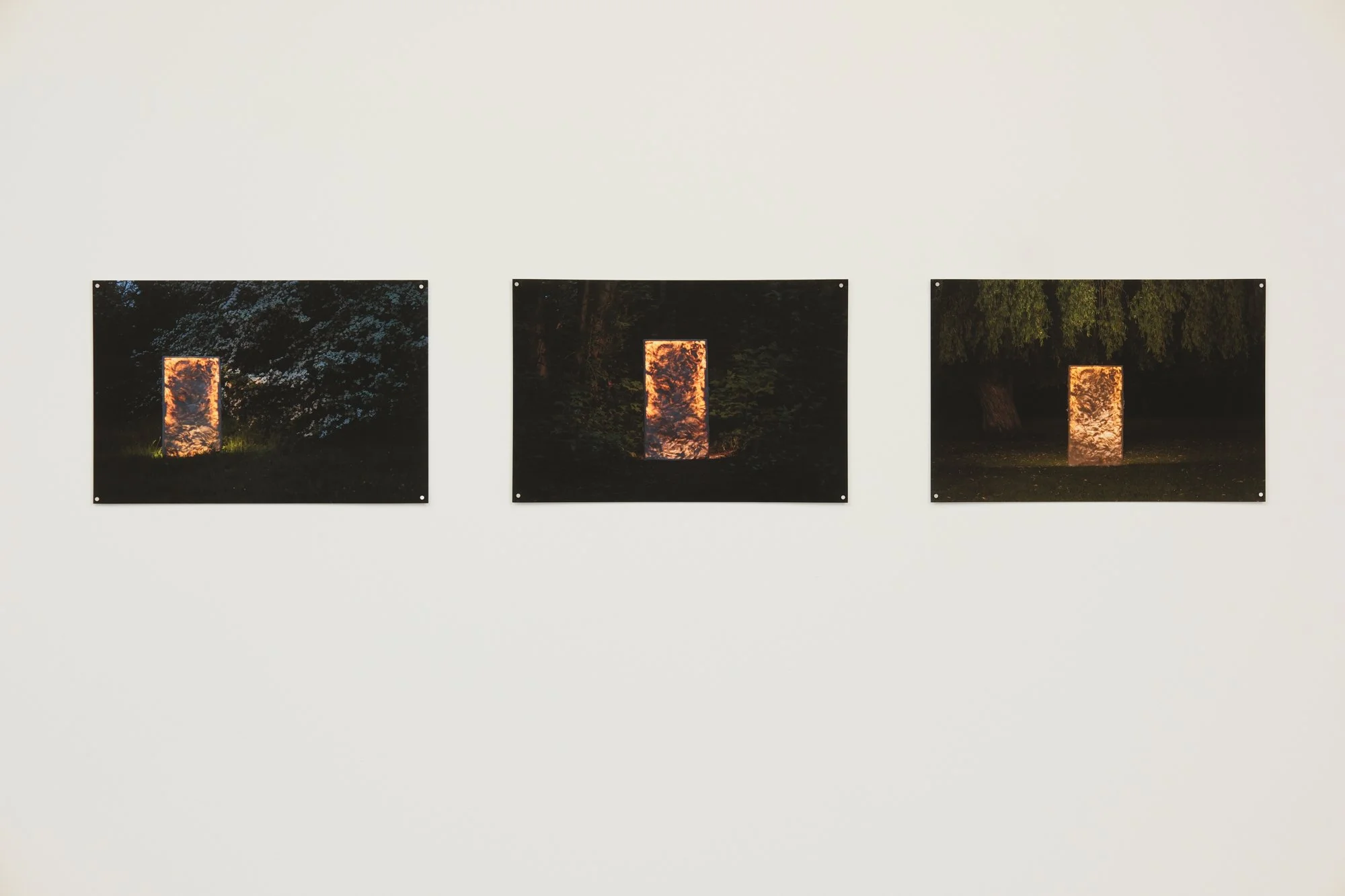
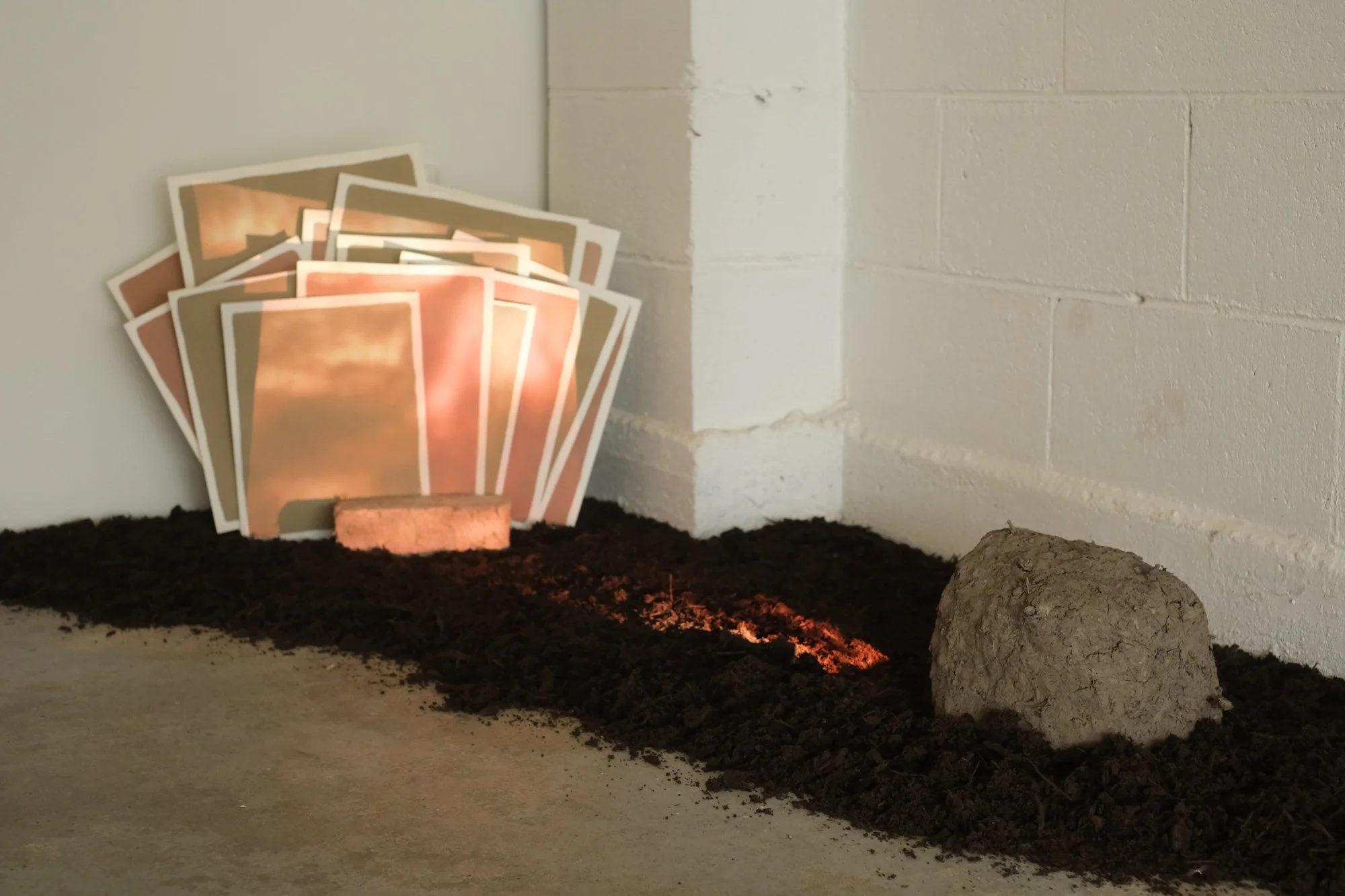
Felt operates simultaneously as material and verb: a textured surface made of unwoven fibres, and the past tense of “to feel”. In this work, the artist engages the haptic and emotional capacities of organic matter, positioning the condensed plant fibres of felt as both a surreal object within a familiar landscape, and a projected image grounding mud. The Felt Doorways function as landmarks of a liminal terrain -- more‑than‑human portals that bridge boundaries between the inside and outside, the self and other, human and nature, and the known and unknown.
Mathilde Rohr
Felt Doorways, 2026
Inkjet Prints on Matte Paper / Clay Slip on Paper, Video Projection, Adobe Bricks, Mud, Sand, and Garden Soil
11" x 16.5" each / Variable Dimensions
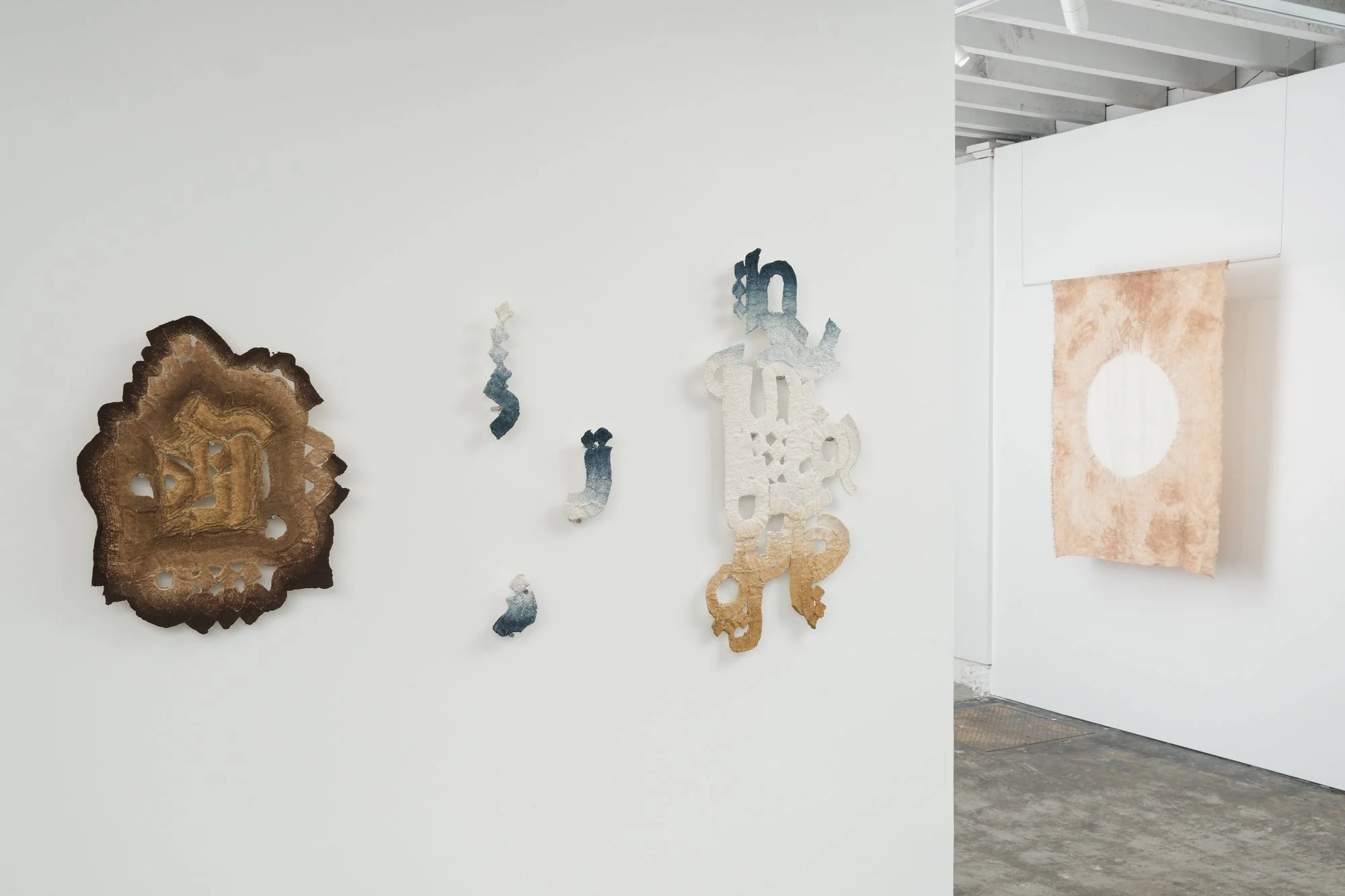
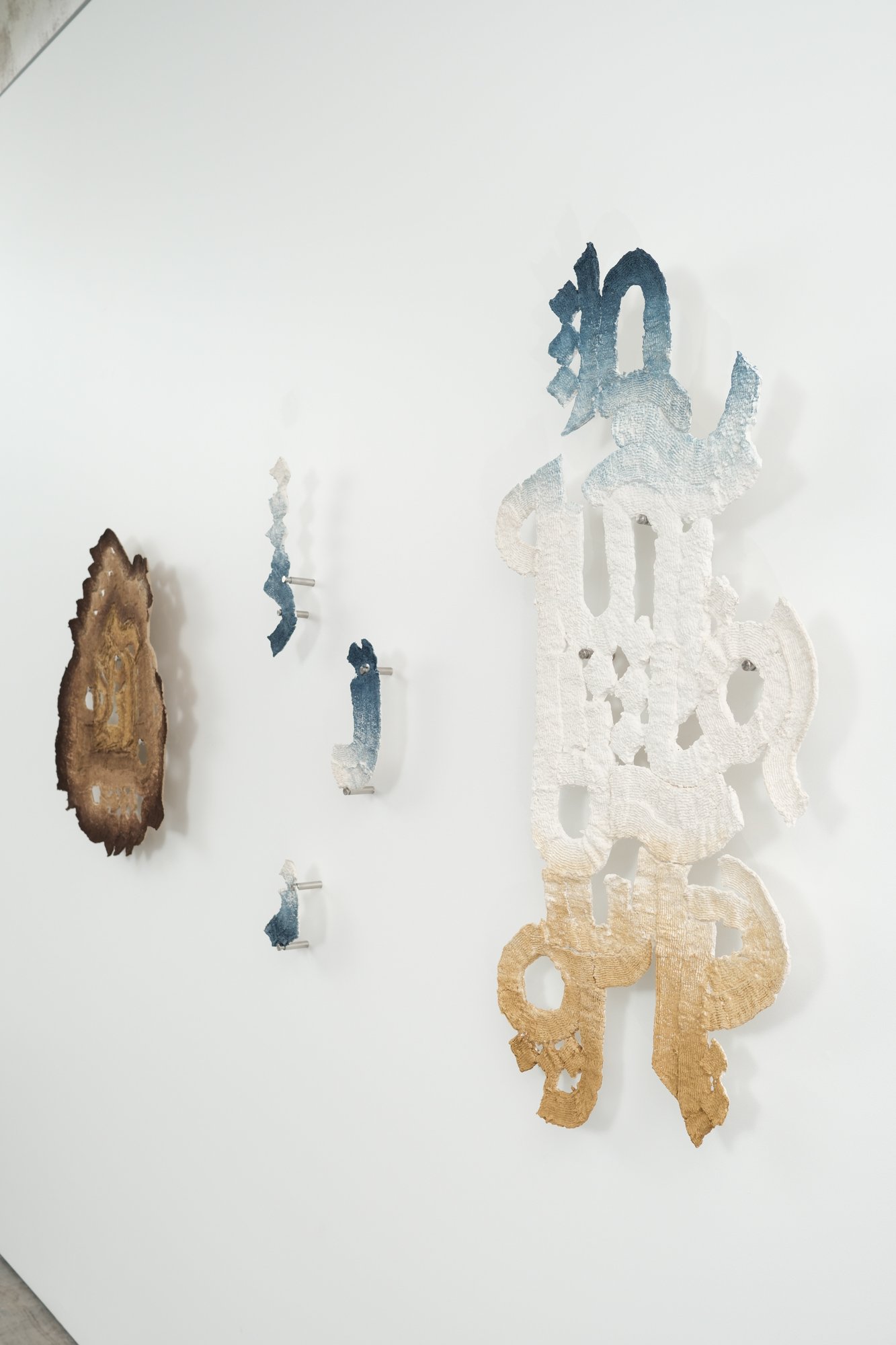
Minahil Bukhari
Azad (1) / آزاد, 2026
Paper Pulp, Earth Pigments
24” x 28” x 0.2"
Minahil Bukhari
Azad (2) /آزاد, 2026
Paper Pulp, Earth Pigments
23.5” x 20” x 0.2”
Minahil Bukhari
Zaaylam, 2026
Paper Pulp, Earth Pigments
9” x 5” x 0.2”
Minahil Bukhari
Zaayy, 2026
Paper Pulp, Earth Pigments
6” x 5” x 0.2”
Minahil Bukhari
Zaam, 2026
Paper Pulp, Earth Pigments
9” x 3.5” x 0.2”
Before paper or formal writing systems, the earth recorded human life. Footprints, burial sites, the residue of fire, shelter, and proximity to water formed an early archive. The artist draws from this origin point, working with paper pulp and earth pigment to create forms that return an archival material to a porous and new state. These works reimagine Urdu and Arabic scripts as gestural wall sculptures — curved grammar, in a right‑to‑left movement, against the dominant grain. These forms echo language without translation that any colonial record could read, reflecting the artist’s relationship to heritage and the fragility of cultural memory. As neither legible text nor fixed monument, the sculptures function as a threshold between memory and history, between what was built and what was lost, between belonging and its refusal. For the artist, land references histories of people and the stories lost by time.
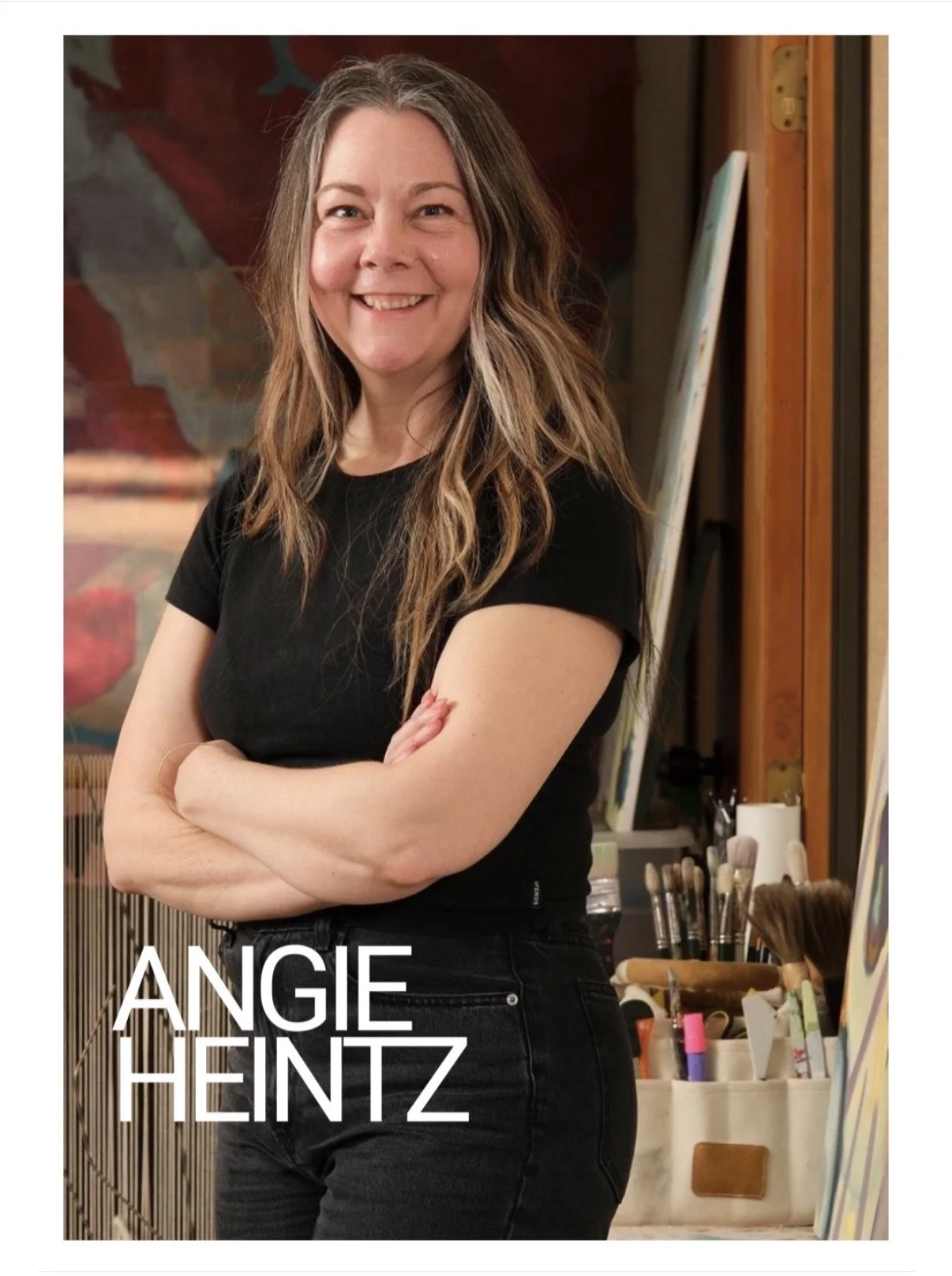
ANGIE HEINTZ is a visual artist, working in sculpture, collage and printmaking, with a focus on painting. Her artistic practice is centered around themes of her Scottish and German settler heritage, land dispossession and the emotional attachment to dwellings. Her most recent work explores the temporal nature of occupancy, landscapes of injustice and the resilience of both people and nature.
Angie's compositions are keepers of memory, capturing the nuances of places both real and imagined through layers of medium and playful palettes. Angie has participated in artist residencies in Canada and holds a Diploma in Graphic Design from Kwantlen University, a Diploma in Fine Arts from Kwantlen University, and a BFA in Visual Arts from Emily Carr University of Art + Design.
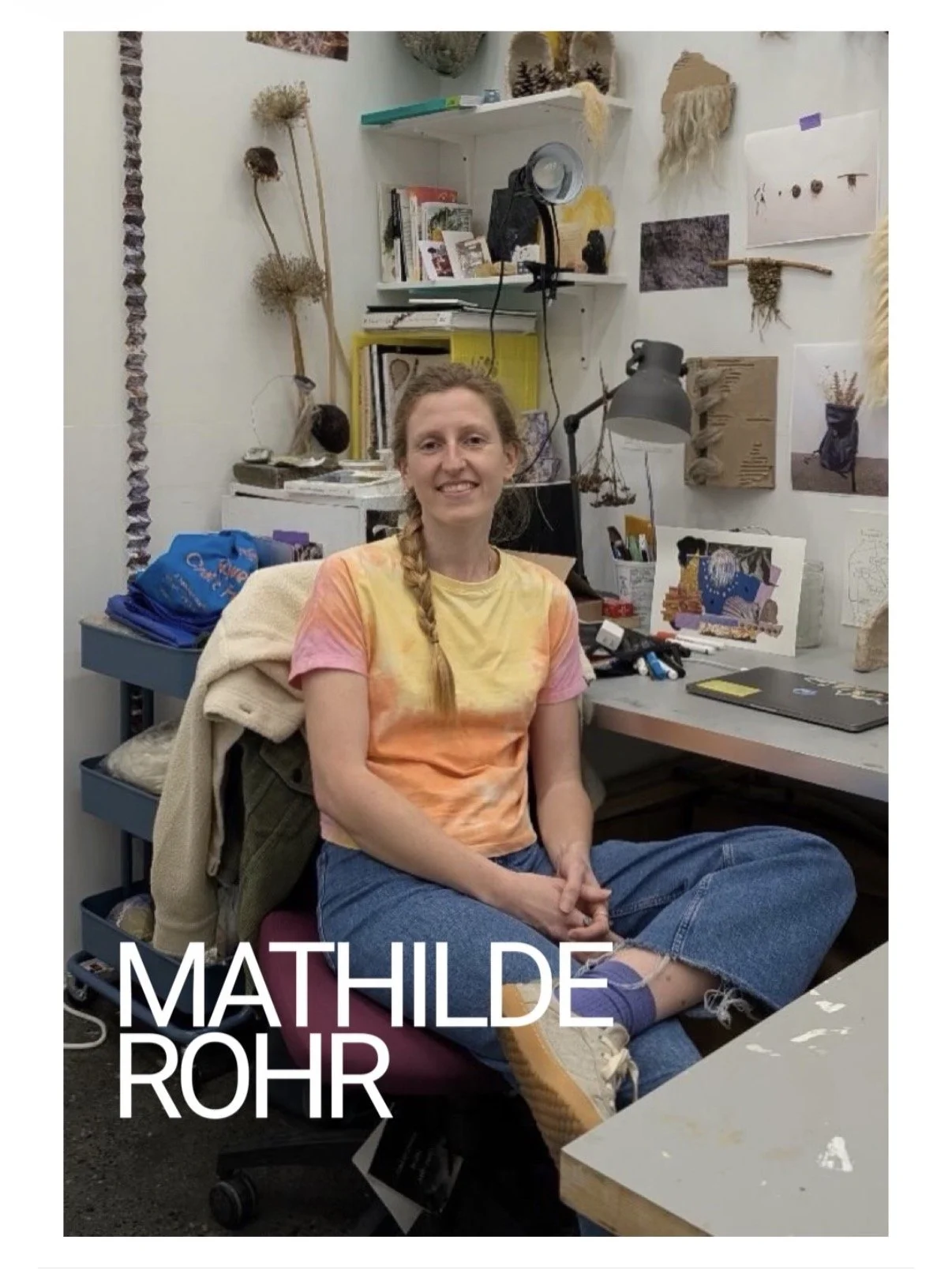
MATHILDE ROHR (b.1991, France) is an interdisciplinary artist and cultural worker. Working with gleaned and organic materials, she builds assemblage-based installations guided by moments of attunement with the more-than-human. Engaging with intuitive methods, material inquiry, and media experimentations, her practice attends to the presence and agency of landscapes, lifeforms, and matter, giving shape to speculative narratives of relationality in post-natural times. Rohr’s work has been presented in artist-run centres, festivals, and public spaces across Canada, France, Latvia, and India. She is currently an MFA candidate at Emily Carr University of Art + Design.
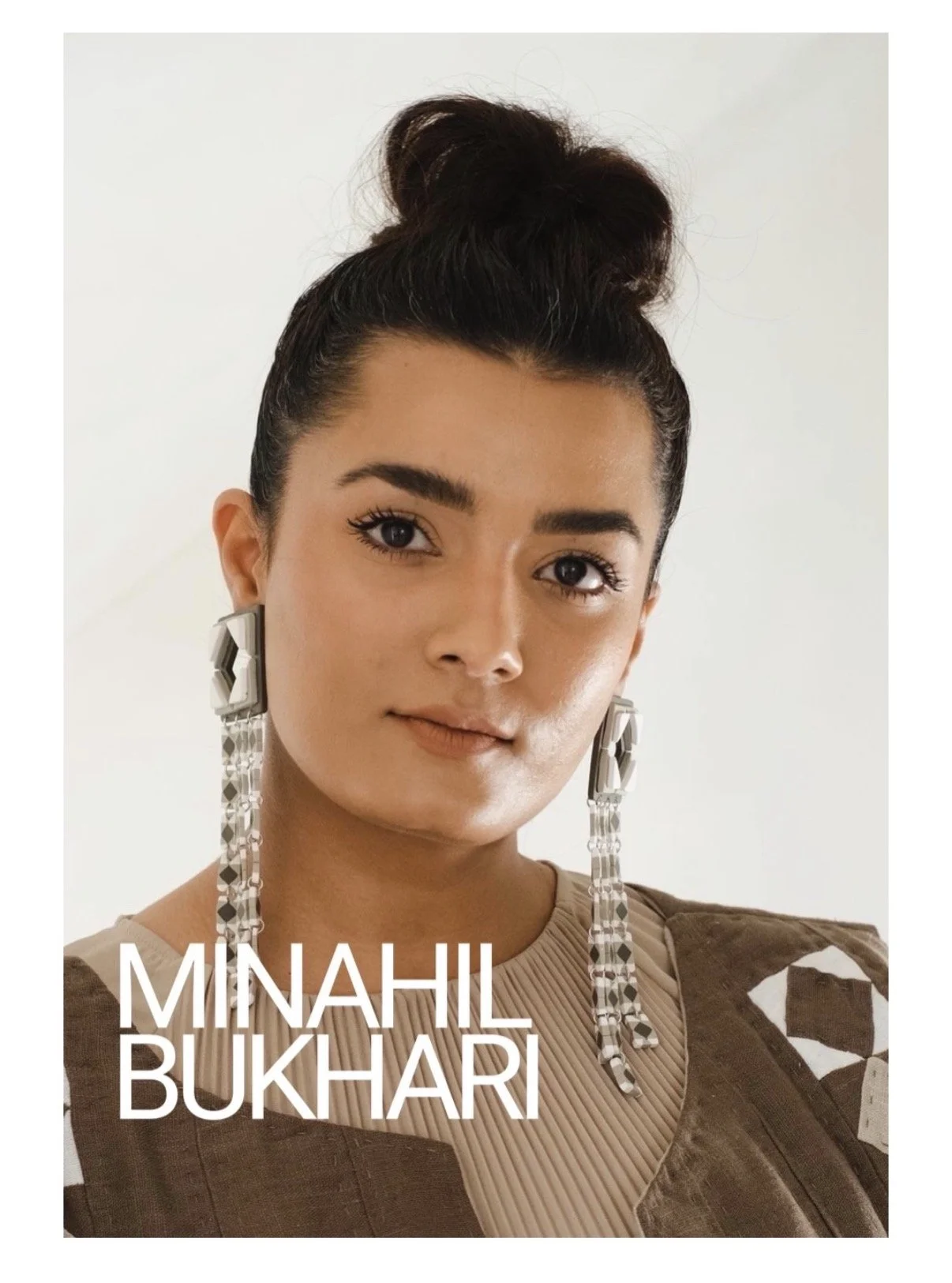
MINAHIL BUKHARI (b. Lahore, Pakistan) is an artist whose practice explores themes of liminality, post colonial theory, poetics of space and other systematic infractions through the lens of political minimalism. She has completed her BFA with distinction from Alberta University of the Arts and a MFA degree from Simon Fraser University. She has received multiple awards, fellowships and residencies some of which include Steven Shane Annual Graduate Entrance Scholarship, Special Graduate Entrance Scholarship (SGES), Graduate Fellowship, Travel and Minor Research Award and Burrard Arts Foundation Residency. Her work has been exhibited within Canada and international
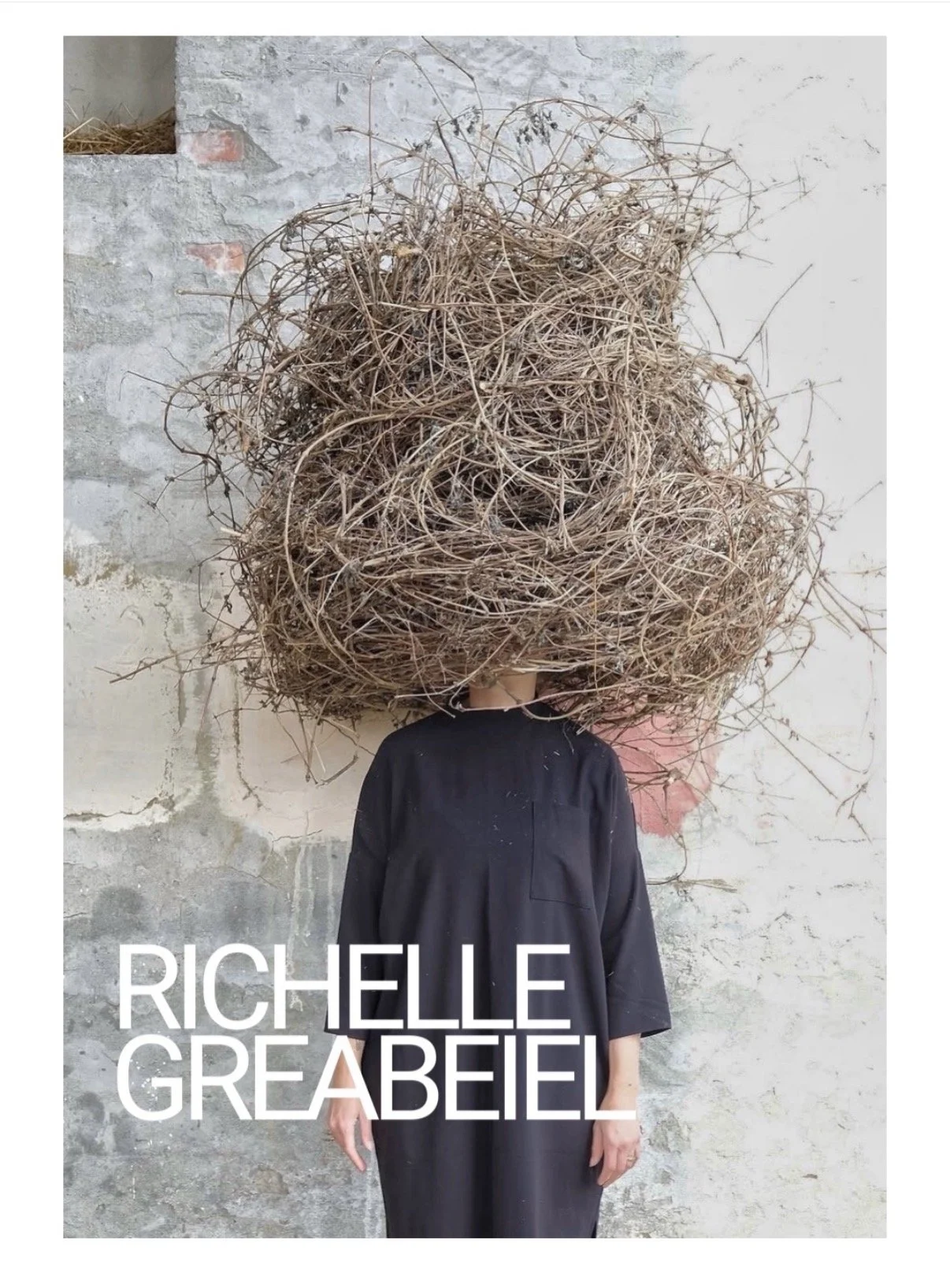
RICHELLE GREABEIEL (b. Alberta) is an artist working primarily in sculpture and installation. Her practice investigates how material, sensory, and spatial experience shape perception, memory, and embodied relationships to place. Since establishing her studio-based practice in 2020, she has developed a body of work that engages process, accumulation, and material translation as methods of tracing connections between the self and its environment. She has presented two solo exhibitions, participated in several group exhibitions and attended residencies in British Columbia, Ireland, Spain, and Portugal.
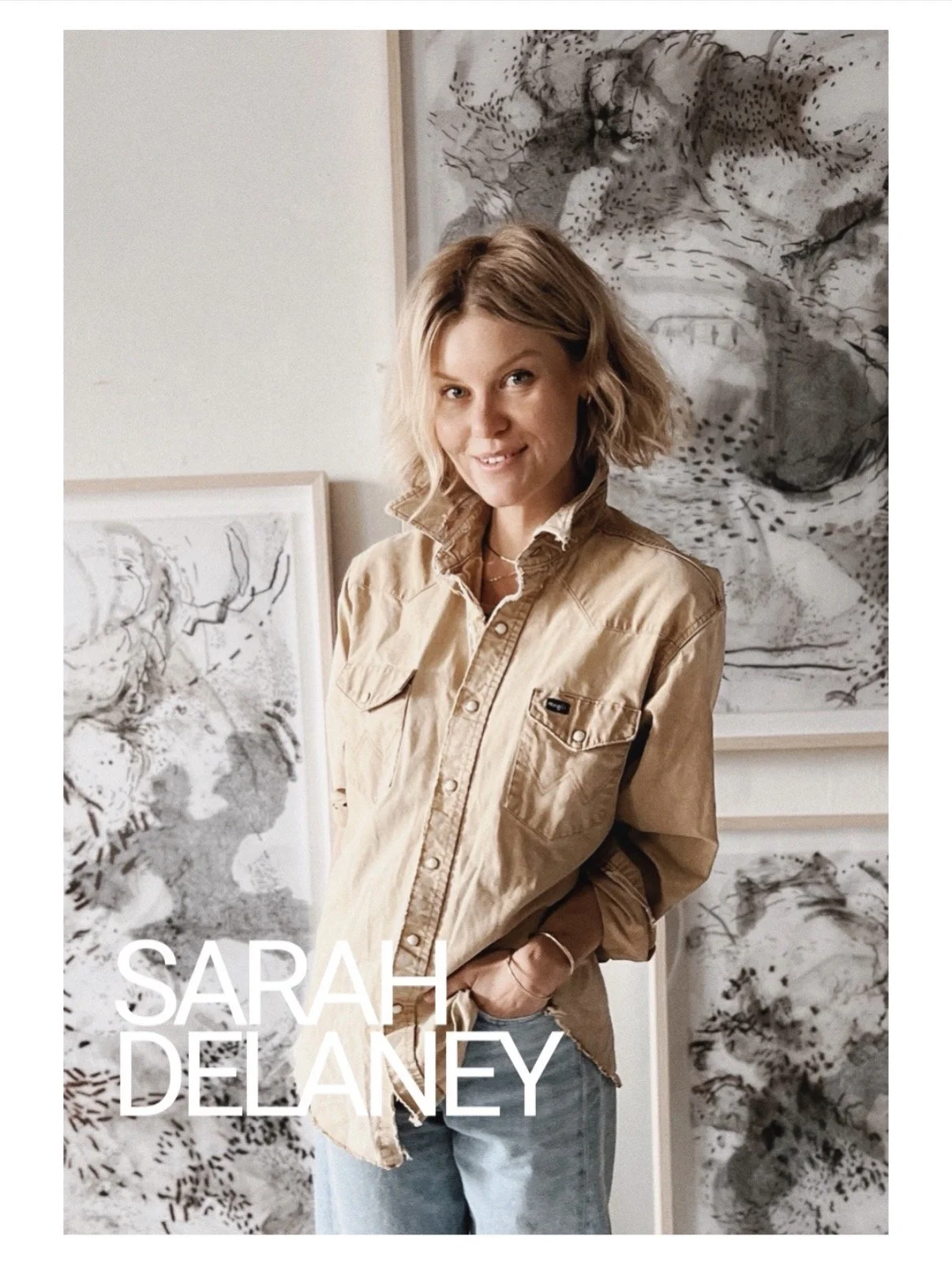
SARAH DELANEY (b. 1986, Kenora Canada) is a multi-disciplinary artist, working between painting, textile collage, and installation. Sarah considers qualitative, internal time as a central medium and theme in her work. She is interested in transformative processes that shape their environments, such as signs of decay and wear created by natural and manufactured conditions. For her, they offer a glimpse into past interactions, providing contextual substance, and the story of place. She holds a BFA in Visual Art from the University of Victoria and a DID from Vancouver College of Art and Design. Her work has been exhibited across North America, notably Mexico Art Week, the Toronto Art Fair, and the NYC Art on Paper Fair. She has participated in artist residencies in the United States, Mexico, Portugal, and Spain.
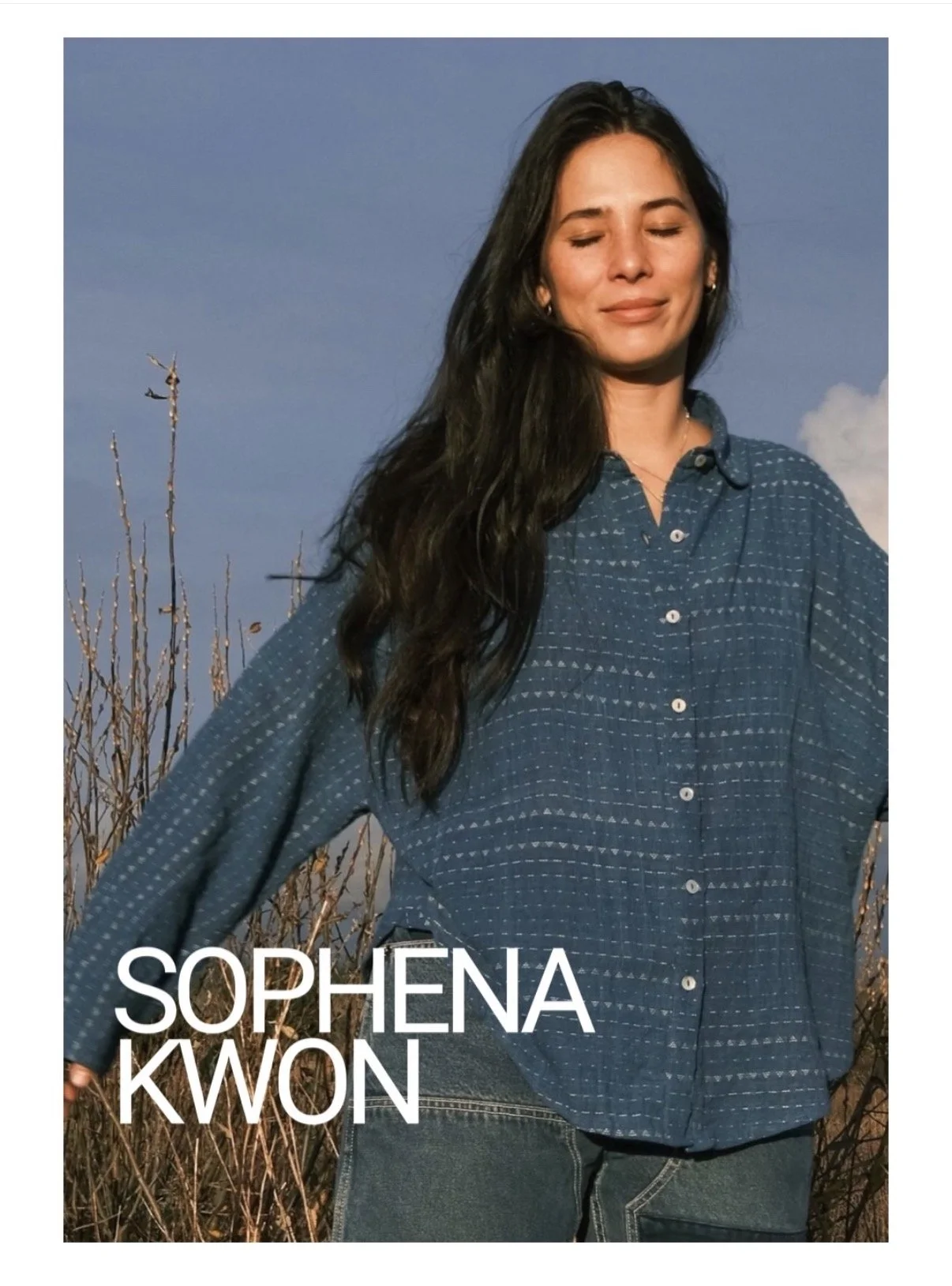
SOPHENA KWON (b. 1986, Vancouver Canada) is a clothing and textile designer, who works with cloth, plant dyes, earth pigments, and chemistry. She grew up around her family business, Maiwa, where she developed an extensive background and understanding in colour alchemy. She has taught in-depth natural dye workshops at Penland School of Craft and the Maiwa School of Textiles. She is the founder of Indigo Social, an event that brings people together around indigo dyeing, community and creativity.